

- How Authentic Dating Helps Screen Toxic People
- What is Authenticity?
- How People High in Dark Triad Traits React When You're Being Authentic When Dating
- What Are Signs Someone is Being Authentic When Dating?
- How to Test if Someone is a Manipulator: 4 Questions to Ask
- How Do Narcissists or Others High in Dark Triad Traits Act When Dating?
- What if Patterns of Behavior Make You Wonder if They Have Dark Triad Traits?
- Are You Being Yourself When Dating?
- Weeding Out Toxic Mismatches
Back when I wasn’t being authentic when dating, a background check showed he had moved more than 20 times over the past 30 years. I noted the red flag, but dismissed it — and my true self.
When I called Tom Cat, the dating app hid my ID. After my follow-up text, hours passed. Would he reply?
A day later, a “Hello Michelle” popped onscreen. He was “crazy busy.” Our half-hour phone chat flowed smoothly. He was yet another bus driver. He also loved tae kwon do and kayaking. I was more interested in seeing if he was as tall and fit as he looked in his photo.
“I’m taking a day off to go to Acadia,” he said.
“Sounds exciting! I’ve wanted to return to the park for a while now. It would be nice to go.”
His offer to take me crossed my mind, but I didn’t hear one. Before we said “goodbye,” he said, “I look forward to speaking with you again” twice.
I smiled. Maybe it was too soon to go on a date, anyway.
The next day, I texted him to show my appreciation and see if we could talk again soon. A week later, a “Good morning, gorgeous” text greeted me. I replied, joking that his lack of response showed he was shy. “I’m not shy — I’m driving.”
Having worked for a transportation company and being safety-conscious, I texted, “I can wait until you have more time to chat.”
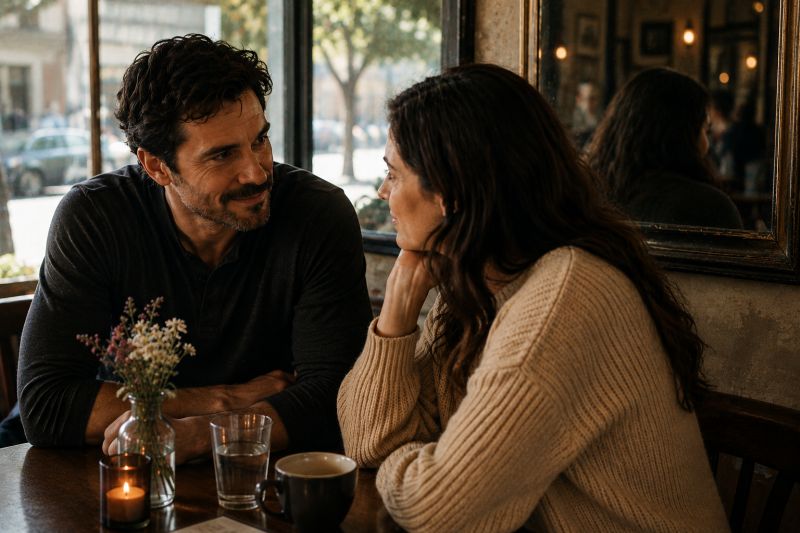
More silence. My suggestion for a date at a local park later netted his offer to drive up to meet.
The night before, I tossed and turned. What if he cancelled?
Three hours before the date, he texted that “something came up.” I didn’t ask what. Upset, I asked if he could reschedule, despite knowing that might be too forward considering his situation.
“I’ll contact you later.”
Three weeks passed until “Good morning, sunshine,” flashed onscreen, followed by the usual crickets.
“My, you’ve been quiet lately. I hope you’ve been doing well.”
“I’ve been busy with work. What do you look like, again?”
I texted him the most recent photo from my profile instead of telling him the disrespect I felt.
“Very pretty.”
“Pretty enough to date?”
Again, he asked me what I wanted to do, and I asked where we could meet. Again, he would drive up.
The morning of our next date, he texted, “Hi, I can’t do anything today.” No apologies. No explanation.
“I know stuff happens. But you’ve cancelled twice. I got ready hoping I could see you,” I texted. No answer. I sent another photo, adding that I texted it to show I’m not a ‘bot. “I’m a human being!”
More excuses followed, without apologies. “You clearly have serious anger issues and zero empathy whatsoever.”
Feeling the sting, I decided against adding more fuel. I didn’t dispute his statement, figuring he wouldn’t believe me anyway. And I had no proof, as he didn’t know me.
I apologized, saying, “I didn’t mean to take my online dating frustrations out on you,” to end the conversation gracefully. A day later, after I deleted my profile, his “apology accepted” text popped up. His mother was in the hospital again.
As I put the phone down, I sighed — my picture of him was now clear. If I had shown up as myself, I wouldn’t have given him that much rope.
How Authentic Dating Helps Screen Toxic People
That incident shows what can happen when you’re not being authentic when dating, like going against your gut feelings or not setting boundaries.
I define authentic dating as being your most comfortable self around potential partners — because you often show different sides of yourself around different people. That’s normal. You might act differently around a boss than you do around the mail carrier or your mother.
When you’re being authentic, you don’t pretend to laugh at unfunny jokes. Or say you like Netflixing when you’d rather go swimming.
Authentic dating involves feeling comfortable with being vulnerable, sharing your thoughts and feelings when it’s appropriate. It helps you recognize mismatches earlier, because you’re being open about your preferences and boundaries.
But being authentic when dating doesn’t mean you must “tell all,” especially for your comfort and safety. As my story shows, if I had said how I really felt about the cancelled dates, the conversation could have become more of a confrontation.
This blog explores how being authentic when dating helps screen toxic or manipulative people through spotting incompatibility or repeated harmful relationship behavior.
People in manipulative or toxic relationships are usually most transparent about their behavior as soon as an individual is willing to be truthful and express disagreement or dissent, refuse requests, or establish a healthy boundary.
The reason for this is the loss of control over how others interact with them […] Being genuine in expressing oneself usually allows unhealthy patterns of relating to emerge much sooner than they would otherwise.”
What is Authenticity?
Authenticity is the quality of being authoritative, valid, true, real, or genuine. Studies link authenticity to being outgoing, open, responsible, emotionally grounded, and curious — regardless of personality type.
Can a narcissist be authentic?
Surprisingly, the answer is yes — but not in the way you’d want. Because they can be honest about what they want — even when what they want is self-serving. Authenticity is the alignment between what you say, what you value, and what you do.
You might have heard of clinical terms for:
- Narcissistic personality disorder (NPD)
- Psychopathy
- Machiavellianism (a tendency toward manipulation and self-interest)
- Cluster B personality disorders
- Sociopathy
They’re not all the same, and though many people with them can be manipulative, not everyone qualifies, including people with borderline or histrionic personality disorders under Cluster B.
A toxic or manipulative person can simply be selfish or have other unlikeable traits.
The main difference between a toxic person and someone with a clinical disorder comes down to long-term patterns and a professional’s diagnosis.
People with Machiavellianism, NPD, or psychopathy fall under the academic research framework of the Dark Triad, used to measure personality traits in the general population.
A research review considered whether people with high Dark Triad traits can be authentic, even when their authentic motives are self-serving or antisocial. So, someone can be honest about what they want and still be a poor or unsafe partner.
People with Dark Triad traits or other manipulative tendencies might be authentic, but they don’t always show up as they are, especially when you’re getting to know each other — just like people scared of intimacy.
Studies on the effects of authenticity on dating and relationships showed that people who avoided deception and took intimate risks were generally good romantic partners, especially for long-term relationships. They tended to be empathetic and committed, and avoided casual sex.
Less authentic daters fell into two main groups:
- Those with Dark Triad personality traits who tended to be manipulative and focus on casual sex.
- Daters who weren’t manipulative, but were nervous about self-disclosure and intimate risk-taking because of rejection sensitivity and attachment concerns.
On the surface, manipulators can appear trustworthy. Another study found that people tended to trust those who scored high on Dark Triad personality traits more, based solely on their looks.
Toxic people are the bullies on the playground of life. They feed off the attention from sensitive people and like to manipulate them, taking advantage of weakness or a lack of boundaries.
It can often take a while to get to know them, but it’s possible to spot manipulators early. Authenticity is your secret weapon.
Estimates of NPD in community samples vary by study and method. A review found an average prevalence of 1%, with estimates ranging from 0% to 6.2%.
Discover if You’re an Authentic Dater – Free Quiz
How People High in Dark Triad Traits React When You’re Being Authentic When Dating
Authenticity is both honest and diagnostic. The more you express your true beliefs at the beginning of a relationship the sooner it becomes apparent if they are not right for you, eliminating the need to second-guess yourself.
I have found that in working clinically with adults who are trying to sort out how family stress and relational abuse has affected them, it is nearly always the case that manipulators view your honesty as something they can fix or solve versus understanding you as a person.
Express a genuine disagreement with someone and see what happens. Someone who is healthy will get curious about your perspective. An individual with a Dark Triad personality will become annoyed by your differing opinion and begin to try to make you question whether or not expressing your opinion was even justified.”
Authentic dating doesn’t force manipulators to show themselves. But a process of clear boundaries, gradual trust, and attention to suspicious behavior patterns makes it harder for them to coast on charm or first impressions.
Research on narcissism finds that favorable impressions can become less positive as people get to know someone and antagonistic behaviors emerge. This is one reason to let time, ordinary disagreements, and consistent actions — not charm or intensity — inform your judgment.
Authenticity doesn’t guarantee a manipulative person will lose interest, either. But when you state preferences, tolerate disagreement, keep your pace, and maintain boundaries, you create fewer chances to be pressured.
In my clinical experience, people high in manipulative traits read authenticity as a malfunction rather than a boundary.
The first move is escalation: more charm, more guilt, a ‘joke’ that tests how much you will quietly absorb. When that does not work they usually lose interest and go find someone easier to steer, which is exactly why staying honest protects you.”
What Are Signs Someone is Being Authentic When Dating?
If their behavior is consistently unclear, pressuring, self-serving, or incompatible with what you need, that’s enough information to slow down or walk away. Knowing what being authentic when dating looks like makes it easier to spot when someone isn’t.
The following behaviors can show whether someone is being sincere or “real”:
- Their words, values, and actions align over time: They say they value honesty, kindness, commitment, or direct communication, and they repeatedly reflect that even in their worst moments.
- They’re reasonably consistent: Their online profile, dating conversation, treatment of you, friends, and waitstaff don’t feel like radically different personas.
- They hold respectful differences of opinion: They don’t mirror your every preference or value. They can say, “I hate football,” explain why and remain curious and friendly.
- They share information gradually: not only polished accomplishments, dramatic stories, or traits that make them look perfect. Self-disclosure, however, doesn’t prove sincerity.
- They acknowledge limits and take responsibility: Rather than offering a “good flaw” like “I care too much,” they describe a mistake, their role in it, what they learned, and what they now do differently.
- They act in line with their boundaries and needs: An authentic person can say “no,” take time, admit uncertainty, or name discomfort without playing it cool. They act like themselves — even when it’s uncomfortable.
- They repair rather than manage their image: When they cause harm, they don’t simply explain, charm, deflect, or demand you stop being upset. They acknowledge the impact, apologize, and show how they’ve changed.
How to Test if Someone is a Manipulator: 4 Questions to Ask
Manipulators like Machiavellians and covert narcissists are often clever enough to know the “correct” answers to questions, polishing them carefully.
Encourage your date to talk about themselves, fitting your questions to the context to keep the conversation going. Note any claims that appear unlikely or untrue and seek to verify them later. Pathological liars often make up stories.
- Are you a narcissist?
As Psychology Today notes, asking people directly about their personality traits doesn’t always help identify them. But “true narcissists do not appear to view their narcissism as a bad thing. In fact, they are likely to be proud of it.”
At the least, asking this question could spark an interesting conversation.
- Ask story-based questions. Stories are harder to fake because they take more thought and can reveal behavior patterns.
Example: “What do the people you rely on appreciate about you — or challenge you on?”
- Describe your most recent relationship and how it ended. If they focus on how “toxic” their ex was and say the same about former partners, that’s a red flag.
- What do you think of ___? You might avoid asking about politics or religion upfront. But no matter the topic, see if they dominate the conversation about it. If they insist their view is fact and don’t accept disagreement, their ego could be at stake.
Questions to Ask Yourself
- Do I feel safe around this person?
Your body might signal discomfort or stress, and those feelings are worth taking seriously. They’re not proof of manipulation; use them as a cue to slow down, seek perspective, and compare your feelings with your date’s repeated behavior.
Bodily triggers can include:
- Sudden fatigue after a date
- Anxiety or “butterflies” that seem like chemistry
- A feeling of walking on eggshells when everything seems fine
Manipulative people often respond to authenticity by trying to regain control — dismissing a differing opinion, shifting blame, or using charm to pressure someone back into compliance.
When a boundary holds, they may escalate or withdraw. Noticing the resulting tension, constricted breath, or self-doubt can help people stay anchored in themselves.”
- What are their relationships with family, friends, and others? Do they often put people down?
- Do their words and actions match over time?
- Do they show curiosity about me?
- Can they tolerate “no,” slower pacing, and differences of opinion?
- Are their compliments and plans grounded in knowledge of me?
- Do they make consistent, respectful effort without pressure?
- Can we discuss intentions and values directly without games or punishment?
- Do I generally feel clearer, freer, and like myself around them — or more confused, anxious, or self-doubting?
How Do Narcissists or Others High in Dark Triad Traits Act When Dating?
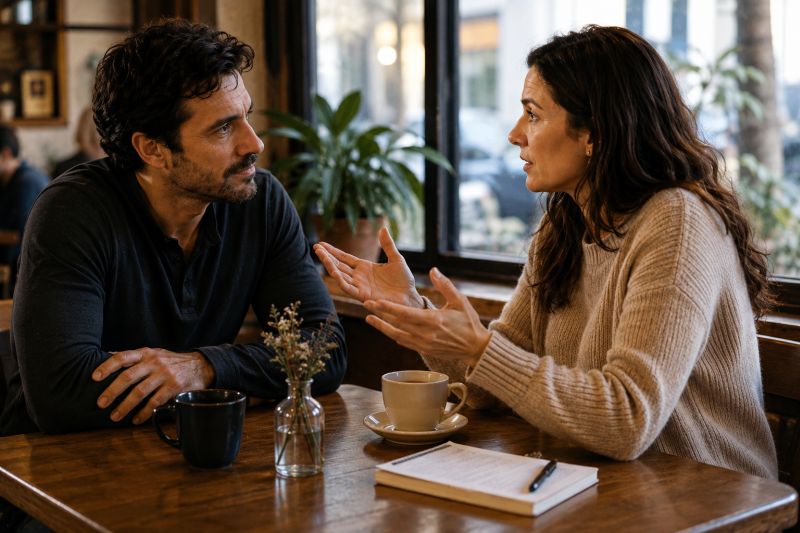
I find one of the best ways to measure an individual’s authenticity is based upon their reaction to the word ‘no.’
Authentic individuals will recognize a limit and adjust accordingly. Manipulators, particularly those with characteristics of the Dark Triad, tend to view boundaries as problems to be resolved. Most importantly, they see YOU as the problem.”
Remember that actions speak louder than words — even if the story sounds true. Watch how your date reacts over time. Here’s how.
- Emphasize behavioral friction early. Set a low-stakes boundary on date two like “I can’t do Tuesday, but I’m free Thursday” or “I don’t like sushi. Let’s go somewhere else.” A respectful date might be disappointed but will generally accept a reasonable boundary. Pressure, guilt, repeated negotiation after a “no,” withdrawal used as punishment, or retaliation are concerning.
In my clinical practice, the tell is speed. When you voice a real disagreement, a manipulator will not sit with it or get curious about why you see things differently.
Instead they rush to ‘close the gap’ by using flattery, changing subjects suddenly, or as a small punishment for having disagreed with them, being cold towards you or making fun of you. This is to try to make you doubt your own reactions.”
- Use Dr. Van Epp’s “Waiting Period.”
- See how they treat people who serve you, like Uber drivers or wait staff.
- Check whether they acknowledge milestones like anniversaries or birthdays. Missing an occasion once can happen. But if someone repeatedly ignores, minimizes, or makes your important moments about themselves, consider whether that fits a wider pattern of self-centeredness, disrespect, or lack of reciprocity.
- If they apologize for something, assess how sincere they are.
- Eneysah Davud suggests a narcissist will play the role of the “good person” until compassion becomes expensive. Watch how they respond when you’re sick, struggling financially, or in emotional pain — situations where compassion costs them something.
Listen for details, balance, empathy for the other person, and ownership — not what you want to hear.
The simple test I give daters over 30: state an honest preference (small) early on, whether it’s a restaurant, a plan, or a pace. If your date cannot tolerate a very small difference without punishing you for it, use that information. The relationship generally does not improve.
When you clearly know what you believe in and what boundaries you will set for yourself, there is a lot less room for being confused, guilted, or swayed. This makes it very hard for them to get through to you as easily as before and so they have no choice but to escalate (once again).
I see three things happen over and over when someone sets an authentic boundary:
1. The other person retaliates by using punishment such as the silent treatment or a dramatic cool down.
2. They try to woo the person back into their comfort zone with flattery and excessive affection (love bombing).
3. They turn it around on the person who has set an authentic boundary, making the person’s reasonable boundary some sort of evidence that he or she is selfish or difficult/’too much.’
That last one, the reframe, is the dangerous one because it attacks your trust in yourself. After a few months of this type of situation, I see my clients start to apologize for even having an opinion about something.”
What if Patterns of Behavior Make You Wonder if They Have Dark Triad Traits?
Notice them, but don’t diagnose from them.
It’s sometimes easier to get a better sense of someone in person than online. Emails, chats, or texts are often done at the beginning of dating as a screen.
A study found that authenticity is situational, not a fixed trait. Conditions that reduce accountability or increase opportunity — anonymity online, large crowds, high status, or certain leadership contexts — can make it easier for dark-trait tendencies to be expressed.
For example, anonymity might foster trolling. On social media, people can intentionally project an image. In person, when social expectations or their reputation are at stake, someone might appear nicer than they are.
Neither online nor in-person settings reliably establish character; look for patterns across time and situations, and responses to limits.
Research suggests minor “profile polishing” is common in online dating. In one study, 81% of participants deviated from the truth on at least one item — age, height, or weight — but the average differences generally were small.
See what they do after you bring up reasonable concerns. Ask yourself:
- Is this behavior recurring over time, or is it just one bad moment?
- Does their behavior leave me diminished, confused, guilty, isolated, afraid to speak, or less like myself?
- When they hurt or disappoint me, do they acknowledge it, make amends without demanding reassurance, and behave differently later?
What do others they know have to say about them? Meet family or friends, which should move forward if they’re open to it and the relationship naturally reaches that point.
Are You Being Yourself When Dating?
Do you say you like basket weaving just to see them smile? Or nod along to another date at the bowling alley? These and other white lies can make you feel good in the moment.
But facing yourself in the mirror later is another matter. And over time, bending the truth can come back to bite you.
Find out for sure if you’re dating authentically or donning a disguise.
Safety Tips
- Keep early disclosures light and observe how they treat boundaries you set before you fully open up. People high in Dark Triad traits can use this information to weaponize empathy or mirror your desires. If they bring up topics that upset you after you revealed a trauma early on, that might be a red flag.
- If you feel unsafe, leave the situation, contact someone you trust, and use the level of contact that feels safest. Options include ending the conversation, blocking the person, or seeking support.
Disclaimer: This article is for educational purposes only. If you’re experiencing emotional distress or feel unsafe, call the National Domestic Violence Hotline at 1-800-799-SAFE (7233), text START to 88788, or use its chat service. It’s free, confidential, and available 24/7.
Weeding Out Toxic Mismatches
You won’t always catch a toxic person before a first date. And though it’s common to call manipulators “narcissists,” they’re uncommon among the general population. You don’t need to diagnose someone with a disorder to decide that a behavior pattern is harmful and unacceptable.
Being authentic when dating helps you push past the charmers and the boundary-crossers to achieve clarity and retain your sense of self.
Like in my story at the beginning, sometimes we ignore the patterns staring at us.
Remember that actions speak louder than words or looks. Ask questions, but don’t expect much. And only share what you’re comfortable sharing. See how they react over time, and their consistency — or lack of it — will tell you something, if you’re ready to listen.

She invites singles dating after 30 to join her on the journey to love, one that fosters self-acceptance and an awakening to the joys of life. Discover how dating with intent through expert advice and stories grounded in experience can help you find a match.
For more guidance on authenticity in relationships, watch Michelle’s latest YouTube videos
@MyJourneytoLove-y4e.
- How to Overcome Fear of Rejection in Dating (And Stop Overthinking) - October 2, 2026
- How Being Authentic When Dating Helps You Avoid Manipulation - August 28, 2026
- Relationship Baggage: What to Consider When Dating Someone With a Bad Past - July 24, 2026
